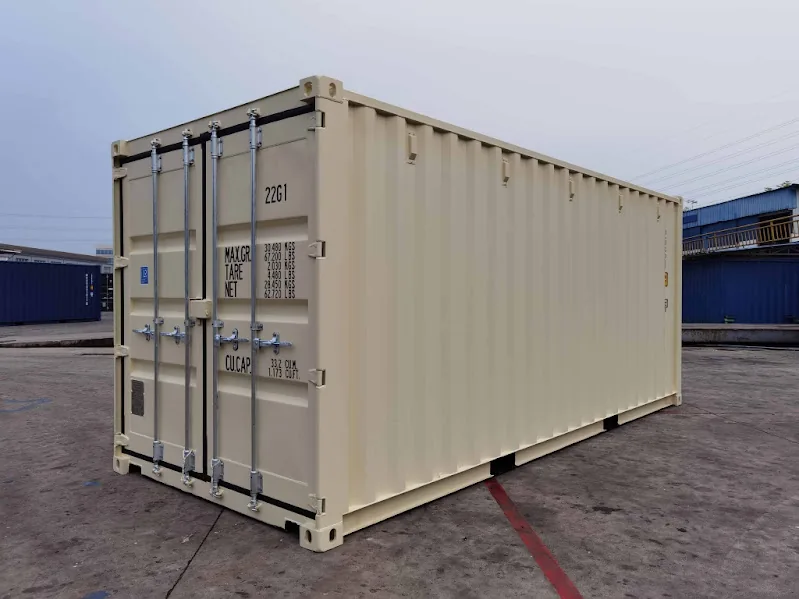
Ask what the condition label means
Florida Container markets both new/one-trip and used units. When comparing quotes, ask the seller to explain how those terms apply to the offered container. Confirm whether the unit has carried an initial cargo shipment, what cosmetic wear to expect and whether the photos show that exact unit or a representative example.
A label is a starting point for questions. It does not describe every surface, gasket, floor or repair. Ask about dents, corrosion, previous repairs, door operation and the condition of the interior. Request a clear written condition description so you can assess the delivered unit against the same expectations.
Match the finish to the purpose
For a prominent business location, appearance may justify a cleaner starting shell or a quoted repaint. For tool storage behind a workshop, an appropriately inspected used container may meet the brief. A conversion introduces another set of decisions: the location of openings, the interior finish and the design of the completed structure.
Avoid buying solely because a container looks clean in one photograph. Ask for a view of all sides, the roof where safely inspectable, the open doors, the floor and any areas that have been repaired. If a particular finish or color matters, put that requirement into the quote rather than assuming every available unit matches.
Inspect the features that affect daily use
Explain what you will store and how often you will use the container. Discuss door movement, locking arrangements, visible water entry and the suitability of the floor for the intended load. Where a seller uses terms such as wind-and-watertight or cargo-worthy, ask for the exact definition, inspection basis and any applicable guarantee.
A storage condition description should not be treated as an export certification, a food-safety approval or approval for a habitable building. Those are separate questions. If your use depends on a particular certification or inspection, identify it before purchase and have the appropriate specialist confirm the requirement.
Consider the container’s history
For storage of sensitive goods or a residential conversion, ask what is known about the unit’s prior service, coatings, flooring and alterations. Unknown history deserves a closer review. Decide with your project professionals whether additional assessment, cleaning, material replacement or a different starting unit is appropriate.
Do not assume that an enclosed steel shell manages indoor temperature or humidity. If the contents need a controlled environment, discuss insulation, ventilation or a designed climate-control system as a separate scope. The same applies to occupied spaces: doors and windows are only part of a complete office or home design.
Compare the complete purchase
Put competing quotes side by side using the same size, condition, access arrangement and delivery destination. Confirm whether transport, unloading, modifications and other services are included. Ask what happens if the delivered unit differs materially from the agreed condition, and have payment terms explained before you commit.
Share your priorities with Florida Container: budget, appearance, dimensions, cargo-door arrangement and any planned modifications. A short, accurate brief gives the team a better starting point than a request for the cheapest available box.
- Request current photos and an explicit condition description.
- Identify any sensitive contents or proposed occupied use.
- Compare delivered scope, inspection expectations and payment terms.
- Keep the written quote and agreed specifications for delivery day.
A few things worth knowing
Is a used container suitable for a home conversion?
It depends on the individual unit and the design. Have the condition, materials and intended alterations assessed by the professionals responsible for the project.
Does new mean the container has never carried cargo?
Ask the seller how the unit is described and whether it has made a cargo trip. Confirm that history and the expected cosmetic condition in the quotation.